
The Ultimate Guide to Lifting & Rigging Equipment
March 12, 2026
Lifting and rigging equipment plays a critical role in industries such as construction, manufacturing, logistics, shipping, and heavy machinery installation. These tools allow workers to safely lift, secure, and transport heavy loads.
From lifting slings and ratchet straps to chain hoists and rigging hardware, each component contributes to a safe and efficient lifting system.
In this guide, we will explore the most commonly used lifting and rigging equipment categories and explain how they are used in industrial lifting operations.
Lifting Sling
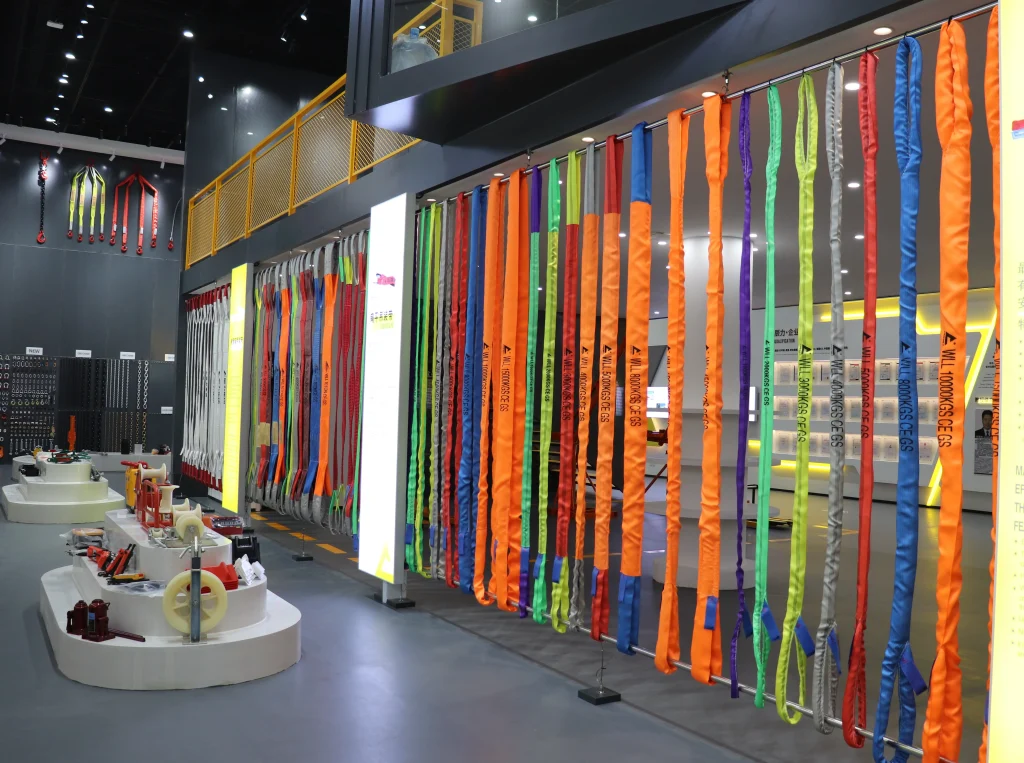
Lifting slings are one of the most widely used tools in lifting operations. They connect loads to lifting equipment such as cranes or hoists and help distribute weight safely.
Common Types of Lifting Slings
Webbing Slings
Made from high-strength polyester webbing, webbing slings are lightweight, flexible, and suitable for lifting delicate loads.
Round Slings
Round slings consist of a continuous polyester yarn core covered by a protective sleeve, providing excellent load distribution and flexibility.
Chain Slings
Chain slings are made from alloy steel chains and are designed for heavy-duty lifting applications.
If you are selecting a sling for lifting operations, you may also want to read:
- How to Choose the Right Webbing Sling for Your Lifting Application
- Safe Lifting Starts Here: How to Use Web Slings Correctly
- EN1492 Webbing Sling Standard Explained for Buyers
These guides explain sling capacity, safety standards, and proper usage.
Ratchet Strap
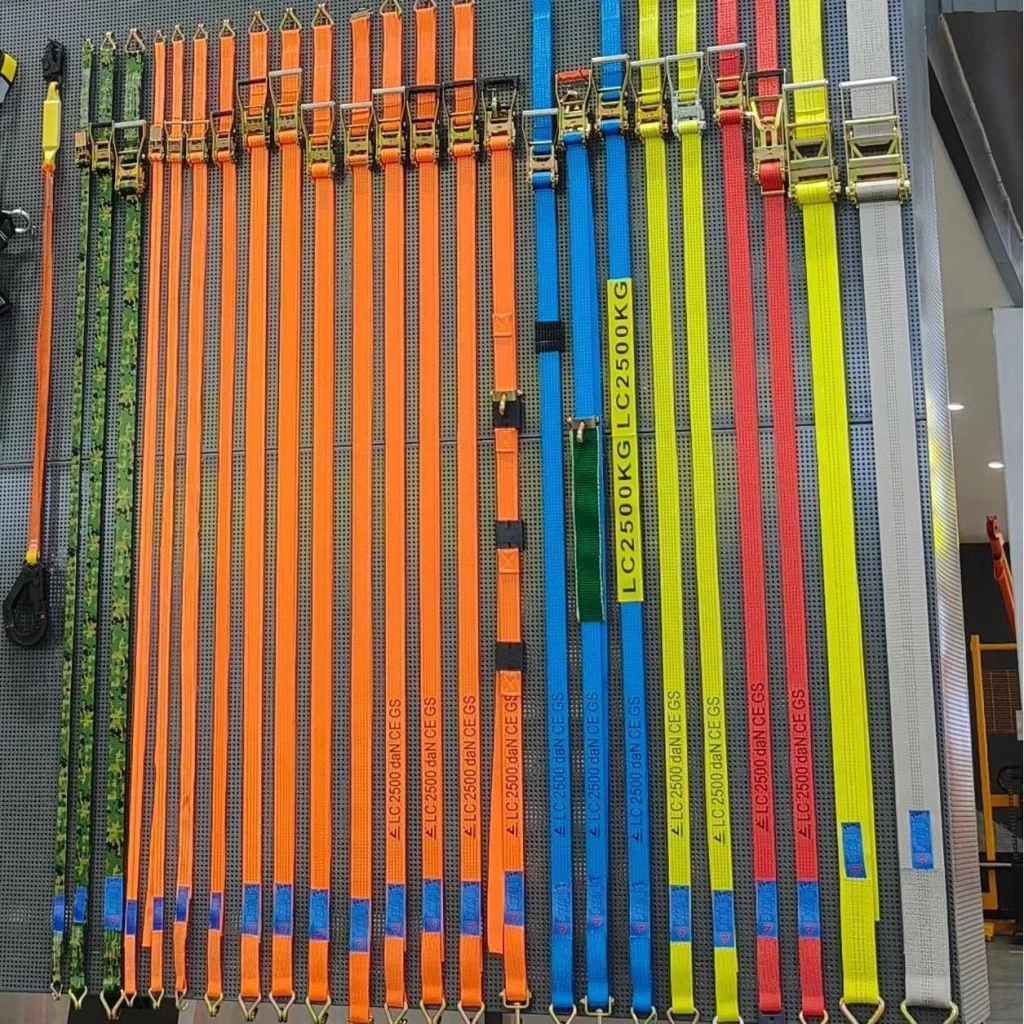
Ratchet straps are used to secure cargo during transportation. They are commonly used in trucking, logistics, warehousing, and cargo handling.
A ratchet strap typically consists of:
- polyester webbing
- ratchet tensioning device
- hooks or end fittings
Advantages of Ratchet Tie Down Straps
- High tension strength
- Adjustable length
- Easy tightening mechanism
- Reliable cargo securing
Ratchet straps are widely used to secure goods on trucks, trailers, and containers.
You can learn more in our article:
Ratchet Tie Down – Heavy-Duty Cargo Securing Strap
Chain Hoist
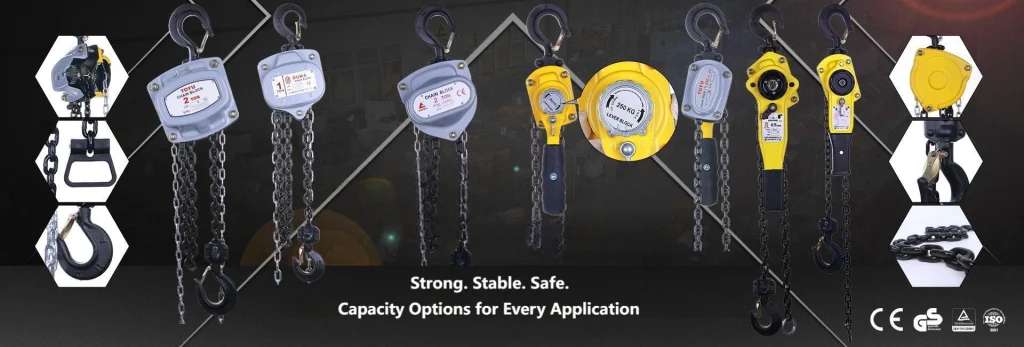
Chain hoists are mechanical lifting devices used to raise or lower heavy loads. They are widely used in factories, construction sites, warehouses, and shipyards.
Chain hoists use a load chain system to lift objects vertically.
Types of Chain Hoists
Manual Chain Hoists
Operated by hand chain pulling, suitable for environments where electricity is not available.
Lever Hoists
Portable hoists commonly used for positioning or pulling loads.
Chain hoists are known for:
- strong lifting capacity
- durability
- reliable operation
You can also read:
Heavy-Duty Chain Hoists in Stock | LDR Certified Lifting Equipment
Electric Hoist
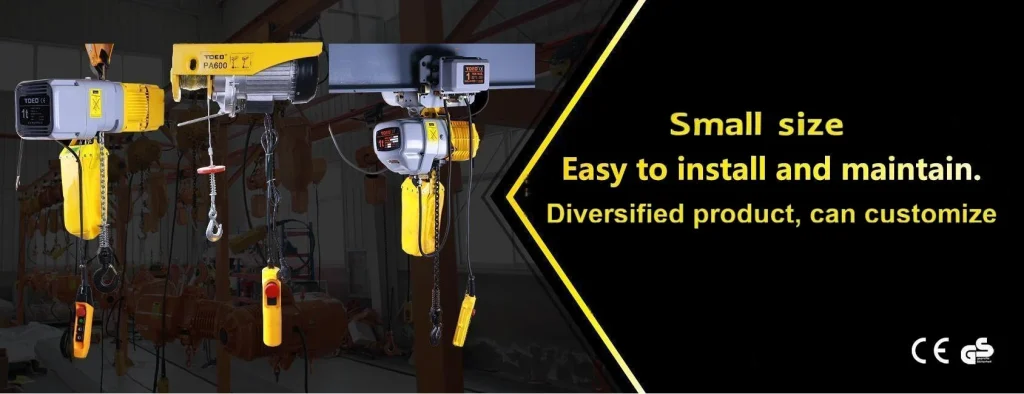
Electric hoists are powered lifting devices designed for frequent lifting operations. They use electric motors to lift loads quickly and efficiently.
Electric hoists are commonly used in:
- manufacturing plants
- warehouses
- steel processing facilities
- heavy equipment assembly lines
Benefits of Electric Hoists
- higher lifting efficiency
- reduced manual labor
- precise lifting control
- suitable for repetitive lifting tasks
For a detailed comparison, read:
Chain Hoist vs Electric Hoist: Which One Is Right for Your Lifting Needs?
Rigging Hardware
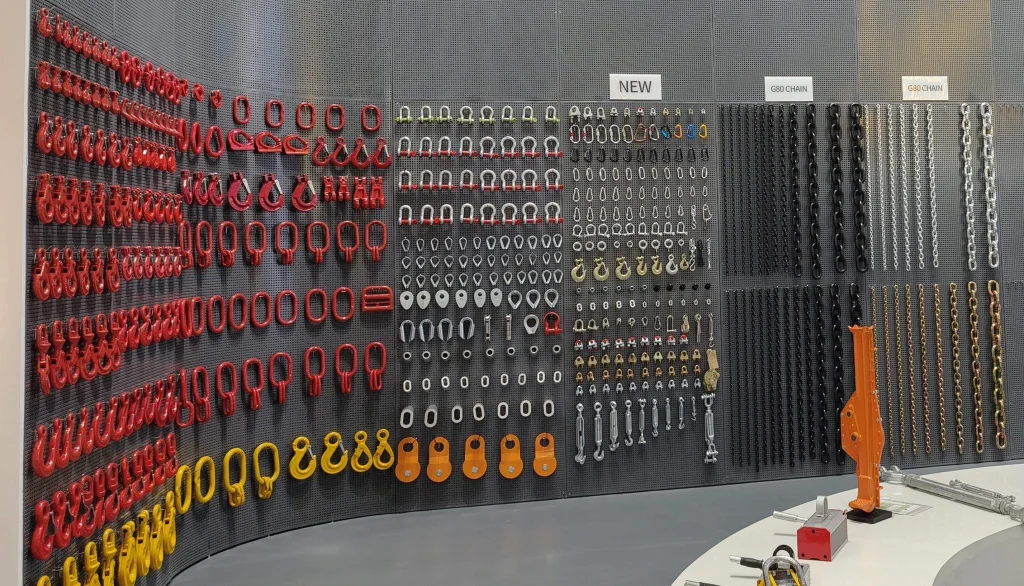
Rigging hardware refers to the connectors used to assemble lifting systems. These components connect lifting equipment with loads.
Common rigging hardware includes:
These components are typically forged from high-strength alloy steel to ensure durability and safety during lifting operations.
Proper rigging hardware selection is essential for maintaining safe lifting systems.
Material Handling Equipment
Material handling equipment is used to transport, lift, store, and manage materials in warehouses, factories, and logistics centers.
Examples include:
- pallet trucks
- manual stackers
- lifting trolleys
- hand winch
Material handling tools improve operational efficiency and reduce labor intensity in industrial environments.
Hydraulic Pressing Machine
Hydraulic pressing machines are commonly used in industrial manufacturing processes such as metal forming, forging, stamping, and assembly.
These machines use hydraulic pressure to apply strong force for shaping or pressing materials.
Applications include:
- metal forming
- automotive manufacturing
- machinery production
- industrial component assembly
Hydraulic systems provide:
- powerful pressing force
- stable operation
- high precision
Future Trends in Lifting & Rigging Equipment
The lifting and rigging industry continues to evolve with improved safety standards and advanced materials.
Key trends include:
- stronger synthetic lifting materials
- improved load monitoring systems
- automation in lifting equipment
- enhanced safety regulations
For a deeper look into industry developments, read:
Lifting & Rigging Industry Trends for 2026 and Beyond
Conclusion
Lifting and rigging equipment is essential for safe and efficient material handling across many industries. Products such as lifting slings, ratchet straps, hoists, and rigging hardware play important roles in lifting operations.
Understanding how these tools work and how to select the right equipment can significantly improve workplace safety and operational efficiency.
Choosing reliable lifting equipment suppliers ensures that your lifting operations meet international safety standards and perform reliably in demanding environments.
FAQ
What is lifting and rigging equipment?
Lifting and rigging equipment includes tools and hardware used to lift, secure, and move heavy loads safely, such as lifting slings, chains, shackles, hooks, and hoists.
What are the most common lifting slings?
The most common lifting slings include webbing slings, round slings, and chain slings.
How do I choose the right lifting sling?
Choosing the right sling depends on load weight, lifting angle, environment, and the type of load being lifted.
Why is rigging inspection important?
Regular inspection helps detect damage, wear, or deformation in lifting equipment, ensuring safe lifting operations and preventing accidents.

.png)


.png)
.png)